Right to Life of Northeast Indiana
The Blessings We Overlook in Down Syndrome
Down syndrome, also known as Trisomy 21, is the most common chromosomal condition in the United States, with roughly 5,000 to 6,000 babies born with the condition annually. For most people with Down syndrome, every cell in their body has an extra copy of chromosome 21. While this genetic difference can result in developmental delays and certain medical challenges, it is only one part of who a person is.
Some countries, such as Iceland, claim that they have “eradicated” Down syndrome. This “eradication” is a result of aborting all babies who receive a prenatal diagnosis of Down syndrome. Those who defend these abortions claim that it is a simple matter of reproductive autonomy—a way to spare parents and the baby a lifetime of suffering and medical complications.
These arguments are presented as a compassionate “solution,” although we know that abortion is never a solution.
We don’t solve the problem of suffering by eliminating those who suffer. Even if your baby doesn’t have a prenatal diagnosis, the absence of a diagnosis cannot guarantee a healthy or easy life. Any child can develop a serious illness, experience a disabling accident, or face unexpected obstacles. Human life has always involved uncertainty.
We do not measure a person's worth by the likelihood that they will experience suffering. We do not decide whether a life is valuable based on how many medical appointments it may require or how closely it aligns with society's expectations of normalcy. Every child possesses inherent dignity simply because they are human.
Understanding Prenatal Testing
It is important to understand what prenatal testing can and cannot tell us. There are several different types of prenatal screening available for Down syndrome. These tests are often discussed as though they provide a definitive answer, but that is not always the case.
The test is not black-and-white. The only thing it can do is indicate whether the baby potentially has a higher or lower possibility of Down syndrome. According to New England’s Women and Children's Hospital: “Most women with screen-positive results do not have a pregnancy with Down syndrome. For example, of about 50 women with screen-positive results for Down syndrome, only one would have an affected pregnancy.”
Even when a diagnosis is later confirmed through diagnostic testing, parents are often presented with information that focuses heavily on potential challenges while giving little attention to the joys, accomplishments, and meaningful lives experienced by people with Down syndrome and their families.
The Icelandic government claims that they don’t encourage women to abort based on the prenatal diagnosis, but there is a level of societal pressure. Parents naturally ask: Will my baby stand out? Will he be made fun of? Will I be able to get him the medical care he needs? Will my child be able to attend school, hold a job, or live independently? Will our family be able to handle the extra needs that may arise? These are understandable questions. Any parent receiving unexpected news about their baby in or outside of the womb will naturally have concerns about the future.
Their lives are not tragedies to be prevented. They are human beings to be welcomed—human beings made in the image of God.
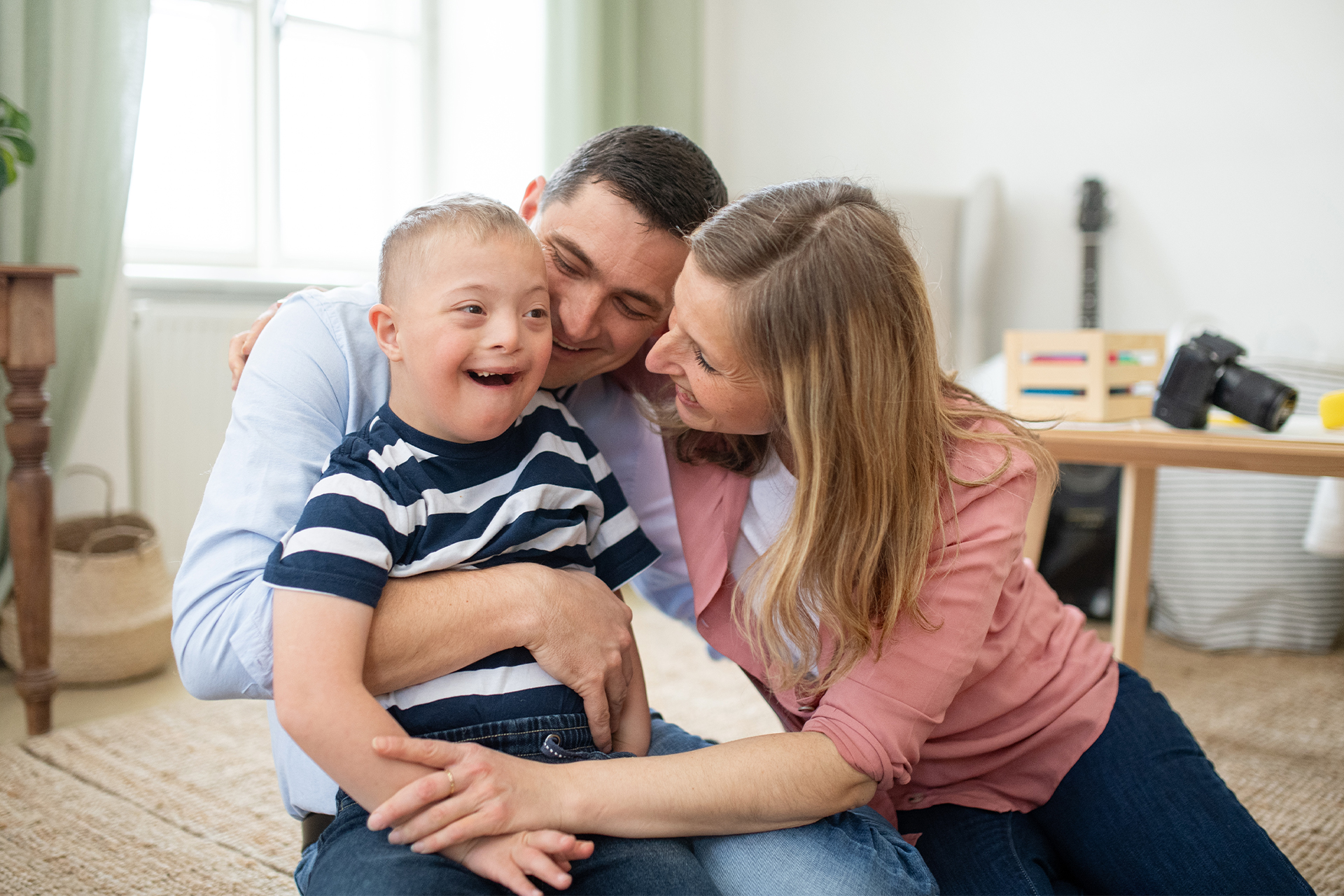
What is often not talked about in these conversations is the blessings of Down syndrome and what families gain. Parents of children with Down syndrome frequently speak about the unique joy their children bring into their homes. Siblings often describe growing up with greater empathy, patience, and compassion. Communities are enriched by individuals whose value extends far beyond productivity, achievement, or independence.
People with Down syndrome form friendships, pursue hobbies, attend school, participate in sports, hold jobs, fall in love, and contribute meaningfully to their communities. They are sons and daughters, brothers and sisters, friends and neighbors.
Modern culture often views worth through the lens of what someone can contribute and how efficiently. Down syndrome challenges that worldview. It reminds us that every person has value, not because of what they can produce, but because of who they are—and because of whose they are.
The conversation surrounding Down syndrome should not begin and end with a list of potential medical complications. It should also include the stories of families whose lives have been transformed by love, resilience, and unexpected blessings.